


25 August 2025
As Sydney patiently waits for the rain to stop (over twelve inches this month), the international thoroughbred marketplace has been anything but dampened.
What has unfolded over the past six weeks is a striking example of how three unique jurisdictions can sustain growth in their own way.
From each jurisdiction, we should draw on its strengths to help eliminate weaknesses elsewhere, continuously refining the system for the benefit of all.
Japan – Food for Thought
Japan remains a largely closed and deeply protectionist industry, yet its internal strength continues to drive record growth across every metric.
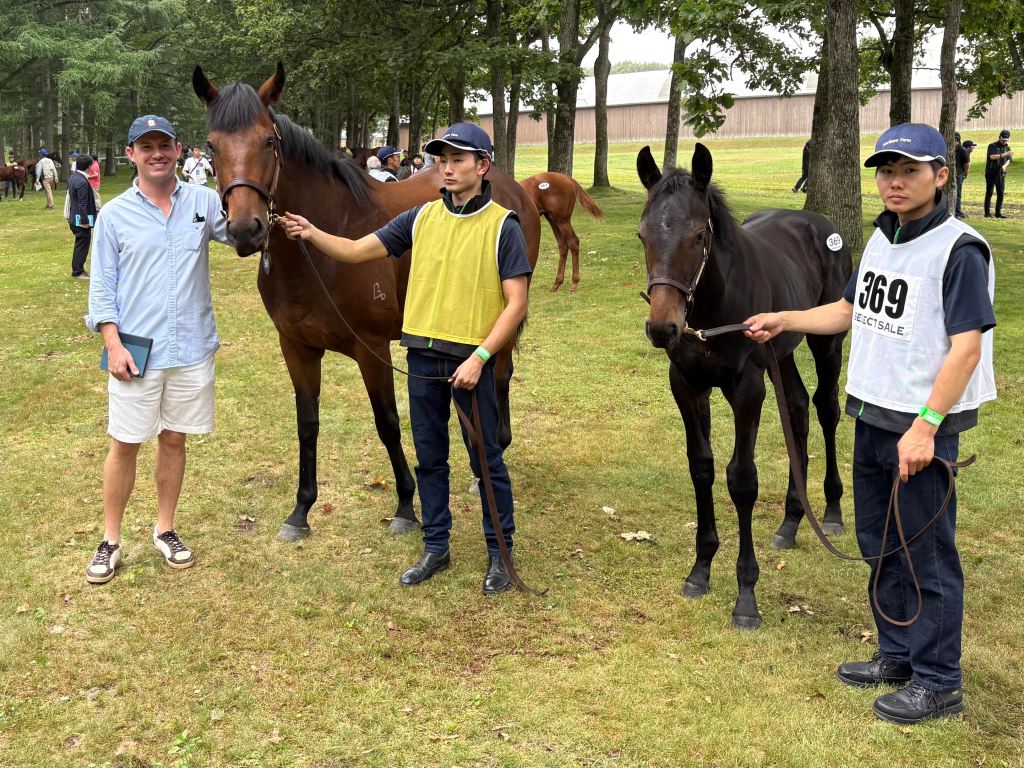
The JRHA Select Sale yearling section sold 224 yearlings grossing around US$90 million (A$140 million) in what was a record-breaking renewal.
Their foal crop continues to march ahead (up 14.6% in a decade), as does – gambling turnover.
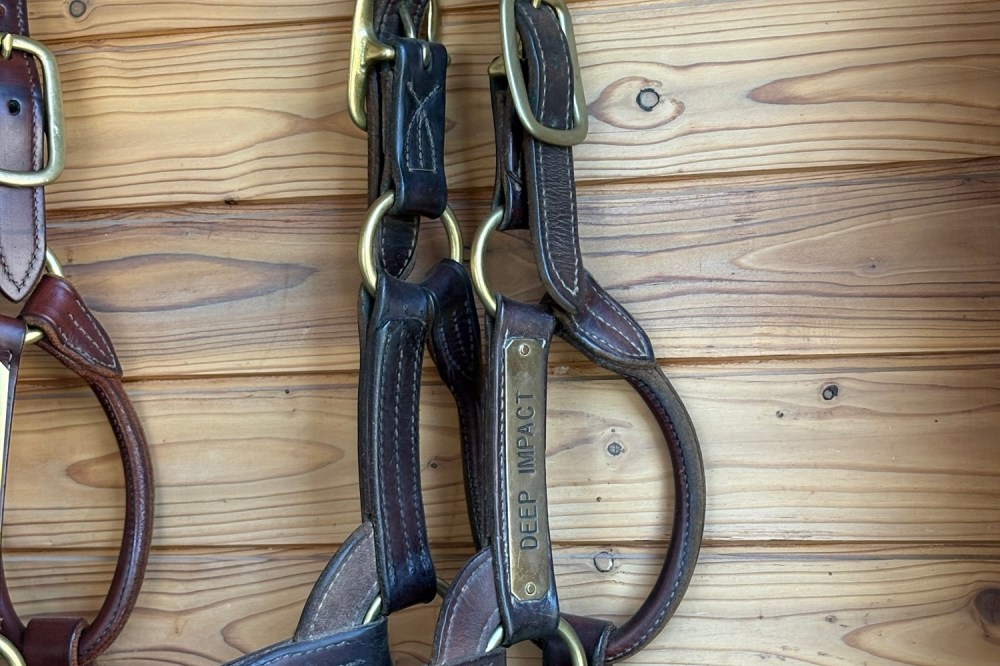
I was fortunate to attend the JRHA Sale once again. Eight years ago, on my first trip to Hokkaido, I saw DEEP IMPACT (Sunday Silence) – a stallion whose achievements will forever be etched in history.
Physically, though, he was light, wiry and rightly or wrongly, typical of what I thought was a ‘Japanese type’.
Fast forward to 2025 and the change is striking. The yearlings now presented are broader, stronger, and carry far more bone.
Management of farms were proud to share the reason: a refined feeding program that tailors nutrition to the sex of the fetus.
Mares carrying colts receive a different diet from mares carrying fillies, with fillies in particular showing significant percentage weight gains at birth and through their development as a result.
This relentless pursuit of incremental improvement has flourished in Japan’s closed system – shielded from external volatility, yet driven internally by an obsession with detail.
The transformation has been evident not just in the sale ring, but on the racetrack – where faster times and greater physicality are being recorded.
Well worth breeders from abroad investigating!
America – Tailwinds Aplenty
From Japan, momentum carried across the Pacific to Saratoga, where the Saratoga Sale turned over US$100 million (A$153 million) from just 160 yearlings sold, the same ballpark as the Inglis Easter Yearling Sale in April, which grossed A$150 million from 339 yearlings sold – underlining the sheer depth of the American buying bench.
The American market is thriving not only because of demand, but because of structural tailwinds and a Netflix series to boot.
The recent implementation of Donald Trump’s “Big, Beautiful Bill” in July allows buyers to depreciate yearling purchases, stallion shares, and even farm equipment – 100% in the first year. Fuelling an already strong market place.
Imagine the impact if Australia adopted a similar incentive – government intervention at its most powerful, further strengthening the underlying industry and future proofing employment across the country. Bearing in mind, exporting an Australian horse to the U.S. will now see a ten percent tariff on entry.
France – A Breeders’ Renaissance
From Saratoga, attention turned to Deauville’s Arqana August Sale, where Australian participation was noted in record turnover.
The sale grossed €62 million (A$101 million) from 316 yearlings sold, with an average price of A$320,000. Among Europe’s major markets, France continues to strengthen.
Take the breeder of this year’s Prix de Diane winner – not only celebrated one hell of an achievement but also handed a €97,000 premium (A$160,000), a remarkable bonus simply for breeding a classic-winning filly.
That model of tangible reward for participants has underpinned France’s renaissance, making it one of the healthiest of the European jurisdictions.
Looking Ahead
As we move toward September, the global yearling market appears to be concentrating its strength at the very top end of the turnover charts.
Just twelve months ago in SYD>LEX, the number of A$1 million dollar yearlings abroad was explored and on the back of auctions thus far, the remaining sales could shoot the lights out – and this bodes well for Australasia in 2026.
The challenge, however, lies beneath the headlines. Foal crops are the lifeblood of the sport – field sizes drive wagering, and wagering drives prizemoney.
The question is: how to keep breeders engaged at every level, not just at the elite tier?
Without that balance, the pyramid risks becoming too narrow at the base to sustain the weight at the top.
With the best racing set to be showcased across Australia in the coming months, let’s hope the industry can unite and show just how great this sport truly is, rain, hail or shine.